


My Top 5 Recommendations for Treating Hyperpigmentation and Sun Damage in Richardson, TX
Updated June 2026
If you've noticed dark spots becoming more visible after summer, stubborn acne marks refusing to fade, or uneven skin tone that makeup can't quite conceal, you're not alone. Hyperpigmentation is one of the most common skin concerns among adults in Richardson, TX, especially with the strong Texas sun contributing to years of accumulated skin damage.
The good news is that today's advanced aesthetic treatments offer far more than temporary fixes. Whether you're dealing with melasma, post-acne discoloration, age spots, or general sun damage, there are several highly effective options available.
At Urbane Med Spa, personalized treatment planning is at the center of every recommendation. Rather than relying on a one-size-fits-all solution, treatments are selected based on your skin type, concerns, goals, and lifestyle. Here are my top five recommendations for improving hyperpigmentation and achieving a brighter, more even complexion.
1. Chemical Peel: A Proven Solution for Hyperpigmentation
When patients ask whether a chemical peel can help dark spots, the answer is often yes.
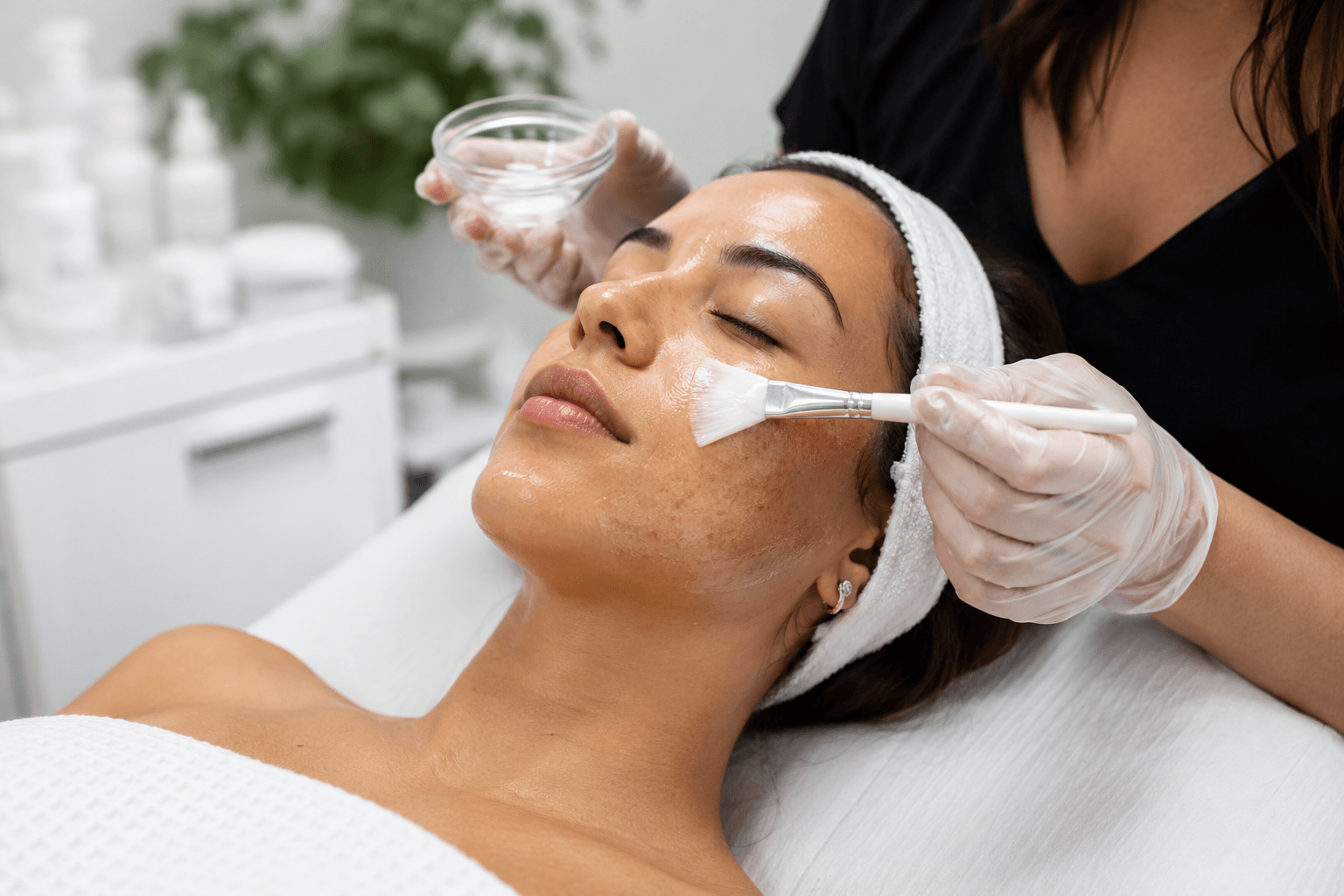
A chemical peel works by removing damaged outer layers of skin and encouraging healthier skin cell turnover. As fresh skin emerges, discoloration can gradually fade, revealing a smoother and more balanced complexion.
Many forms of pigmentation respond well to professional chemical peels, including:
- Sun spots
- Age spots
- Post-inflammatory hyperpigmentation
- Mild melasma
- Acne-related discoloration
One reason chemical peel treatments remain so popular is their versatility. Different formulations and strengths allow providers to customize treatment based on your skin concerns and desired level of correction.
For many patients seeking a chemical peel in Richardson, a series of treatments delivers the most noticeable improvement. Results often continue developing as collagen production increases and cellular renewal accelerates.
Who Is a Good Candidate for a Chemical Peel?
Chemical peels may be appropriate for individuals experiencing:
- Uneven skin tone
- Mild acne scarring
- Early signs of aging
- Sun damage
- Dull or rough skin texture
The best way to determine candidacy is through a personalized consultation where skin health, history, and goals can be thoroughly evaluated.
2. VI Peel: Targeting Stubborn Pigmentation with Precision
For patients seeking a more advanced peel option, the VI Peel is often a standout choice.
Unlike many traditional peels, the VI Peel combines multiple ingredients designed to address pigmentation concerns while promoting skin rejuvenation. It is frequently recommended for individuals dealing with deeper discoloration, acne scars, and uneven texture.
The treatment works by accelerating exfoliation while encouraging new collagen development beneath the surface.
Patients often choose a VI Peel to address:
- Sun damage
- Melasma
- Acne scars
- Fine lines
- Hyperpigmentation
One of the biggest advantages is that it can deliver meaningful improvements without requiring extensive downtime compared to more aggressive resurfacing procedures.
3. Lumecca IPL: Breaking Up Sun Damage and Age Spots
When pigmentation is caused primarily by sun exposure, Lumecca can be an excellent option.
Lumecca is an advanced intense pulsed light treatment designed to target pigmented lesions and vascular irregularities. The technology delivers light energy into the skin, where it selectively addresses excess pigment without damaging surrounding tissue.
Many patients choose Lumecca for:
- Brown spots
- Sun spots
- Freckles
- Redness
- Uneven skin tone
One reason Lumecca has become increasingly popular is that patients often notice visible improvement relatively quickly. Pigmented areas frequently darken temporarily before naturally flaking away as the skin heals.
For individuals wondering about the best treatment for sun damage on the face, Lumecca is often among the top recommendations when pigmentation is the primary concern.
4. Microneedling: Improving Skin Tone Through Natural Regeneration
Many people associate microneedling with collagen production and scar reduction, but it can also play an important role in treating pigmentation concerns.
Microneedling creates controlled micro-injuries in the skin that stimulate the body's natural healing response. This process encourages collagen and elastin production while supporting healthier skin turnover.
Patients often pursue microneedling for:
- Acne scars
- Uneven texture
- Enlarged pores
- Fine lines
- Mild pigmentation concerns
One of the advantages of microneedling is its ability to improve overall skin quality while simultaneously addressing discoloration.
For patients with acne scars and residual dark spots, microneedling may help create a smoother, more even complexion over time.
5. Combination Treatment Plans: The Secret Behind Exceptional Results
If there is one recommendation that consistently produces impressive outcomes, it is combining treatments strategically.
Hyperpigmentation rarely develops from a single cause. Sun exposure, acne, hormonal changes, aging, and genetics often contribute simultaneously. Because of this, combining treatments can often address multiple concerns more effectively than relying on one solution alone.
A personalized treatment plan may incorporate:
Chemical Peel + Microneedling
This combination can help improve:
- Acne scars
- Uneven texture
- Surface pigmentation
- Overall skin quality
VI Peel + Microneedling
Patients seeking more comprehensive rejuvenation often benefit from combining collagen stimulation with deeper exfoliation.
Lumecca + Chemical Peel
This approach may target both visible pigmentation and underlying skin damage, helping create a brighter and more balanced appearance.
The most effective treatment plan depends on your specific skin condition, lifestyle, and goals. This is why individualized consultations remain such an important part of achieving exceptional results.
Chemical Peel vs. Microneedling: Which Is Better?
One of the most common questions patients ask is whether they should choose a chemical peel or microneedling.
The answer depends on the concern being treated.
Chemical Peels May Be Better For:
- Hyperpigmentation
- Sun damage
- Uneven skin tone
- Surface texture concerns
Microneedling May Be Better For:
- Acne scars
- Enlarged pores
- Fine lines
- Collagen stimulation
In many cases, neither treatment is universally better. Instead, they serve different purposes and may even work best when combined.
An experienced provider can evaluate your skin and recommend the most effective approach based on your unique concerns.
What Is the Best Facial Treatment for Hyperpigmentation in Richardson, TX?
The best treatment depends on several factors, including the cause of your pigmentation, your skin type, and your desired results.
For some patients, a chemical peel may be the ideal starting point. Others may achieve better results with VI Peel treatments, Lumecca, microneedling, or a customized combination approach.
The key is receiving a thorough assessment rather than choosing a treatment based solely on online research.
At Urbane Med Spa, treatment recommendations are personalized to ensure patients receive solutions designed specifically for their skin and aesthetic goals.
Why Richardson Residents Trust Personalized Skin Rejuvenation
Modern aesthetic treatments have evolved significantly beyond basic facials and over-the-counter products. Today's advanced technologies allow providers to address pigmentation concerns with greater precision and customization than ever before.
Patients throughout Richardson and surrounding communities are increasingly seeking treatments that deliver natural-looking improvements while preserving healthy skin function.
Whether the goal is reducing dark spots, minimizing acne scars, reversing sun damage, or creating a brighter complexion, a personalized treatment strategy can help achieve lasting results.
Your Skin Deserves More Than a One-Size-Fits-All Solution
Dark spots, uneven skin tone, and sun damage can be frustrating, but effective treatment options are available. From chemical peels and VI Peel treatments to Lumecca and microneedling, today's aesthetic solutions offer multiple pathways toward healthier-looking skin.
The most successful outcomes often begin with understanding what is causing the pigmentation in the first place and creating a treatment plan tailored specifically to your needs.
When it comes to achieving radiant, balanced skin, the best results rarely come from chasing trends. They come from choosing the right treatment, at the right time, for the right patient.
Frequently Asked Questions
Can a chemical peel help hyperpigmentation and dark spots?
Yes. A professional chemical peel can help reduce hyperpigmentation by accelerating skin cell turnover and removing damaged outer layers of skin. Many patients notice gradual improvement in sun spots, acne marks, and uneven pigmentation after a series of treatments.
How many chemical peel treatments are usually needed for dark spots?
The number of treatments varies based on the depth and cause of pigmentation. Some individuals see improvement after one treatment, while others achieve optimal results through a customized series performed over several months.
Is VI Peel better than a traditional chemical peel?
Not necessarily. VI Peel may be beneficial for certain pigmentation concerns and acne scars, but the best option depends on your skin type, goals, and treatment history. A consultation can determine which peel is most appropriate.
What is the best treatment for sun damage on the face?
The best treatment depends on the type and severity of damage. Chemical peels, Lumecca, and other professional skin rejuvenation treatments may all play a role in improving sun-related discoloration and texture concerns.
Can microneedling help acne scars and dark spots?
Microneedling can improve the appearance of acne scars while also supporting healthier skin turnover. Many patients experience smoother texture and a more even complexion as collagen production increases.
How do I know which treatment is right for my skin?
A professional skin evaluation is the best way to determine the ideal treatment plan. Factors such as skin type, pigmentation source, lifestyle, and goals all influence which treatment or combination of treatments may provide the best results.