


Why Does My Skin Look Dull, Uneven, or Sun-Damaged? What a Chemical Peel Can Actually Fix in Richardson, TX
If you have caught yourself staring in the mirror wondering why your skin looks tired, blotchy, or older than you feel, you are far from alone. It is one of the most common concerns we hear from clients walking through our doors here in Richardson. Between the intense Texas sun, everyday stress, and the natural aging process, skin can start to look uneven, rough, or just plain dull long before you expect it to.
The good news is that these concerns are not permanent, and you do not need invasive surgery to address them. A chemical peel is one of the most effective, time tested ways to reset your skin's tone and texture, and it is a treatment we get a lot of questions about at Urbane Med Spa. In this article, we will walk through the skin concerns that typically bring people in, what is actually happening underneath the surface, and how a chemical peel, specifically the VI Peel we offer, can help restore that healthy glow.
This guide was updated in August 2026 to reflect the most current treatment approaches we use with our Richardson clients, so you are getting timely, accurate information as you decide what is right for your skin.
What Skin Concerns Make People Consider a Chemical Peel?
Before most people ever look up the word "peel," they are usually searching for answers to something more specific happening on their face. Here are the concerns we hear most often.
Why Does My Skin Look Uneven or Blotchy?
Uneven skin tone is one of the top reasons people book a consultation. It can show up as patches of discoloration, redness around the nose and cheeks, or a general lack of uniformity across the face. This is often a combination of sun exposure, hormonal shifts, and old acne marks that never quite faded.
Why Is My Skin So Dull Lately?
Dullness usually comes down to a buildup of dead skin cells on the surface. As we age, our skin's natural exfoliation process slows down, meaning those cells stick around longer and prevent light from reflecting evenly off the skin. The result is a tired, flat appearance even when you are getting enough sleep.
What Causes Sun Damage and Dark Spots in Texas Heat?
Living in North Texas means dealing with strong, near constant sun exposure for a good chunk of the year. UV rays break down collagen and trigger excess melanin production, which is what leads to those brown spots, freckling, and general sun damage that so many Richardson residents deal with. Even with sunscreen, years of cumulative exposure add up.
Why Do I Still Have Acne Scars Years Later?
Old breakouts can leave behind more than just memories. Acne scarring and post inflammatory marks can linger for years, especially if the skin was picked at or irritated during the healing process. These marks often respond well to resurfacing treatments that encourage new, healthier skin to form.
Why Does My Skin Feel Rough or Look Textured?
Rough texture, enlarged pores, and a bumpy feel are usually signs that dead skin cells and excess oil are sitting on the surface longer than they should. This is common in both oily and dry skin types and tends to get more noticeable with age.
Are Fine Lines a Sign I Need More Than Skincare?
Fine lines around the eyes, mouth, and forehead often start appearing gradually. While good skincare and hydration help, once collagen production really starts slowing down, topical products alone may not be enough to keep skin looking smooth and plump.
What Is Actually Causing These Skin Changes?
Most of these concerns trace back to a handful of underlying causes: cumulative UV exposure, natural collagen loss, hormonal fluctuations, environmental stressors like pollution, and simply the passage of time. The Texas sun plays an outsized role here. Even a short daily commute or walking the dog can expose skin to UV rays that gradually damage collagen fibers and trigger pigment irregularities. Add in the occasional breakout or dry patch, and it is easy to see why so many people start noticing these changes by their late twenties or early thirties.
How Does a Chemical Peel Actually Work?
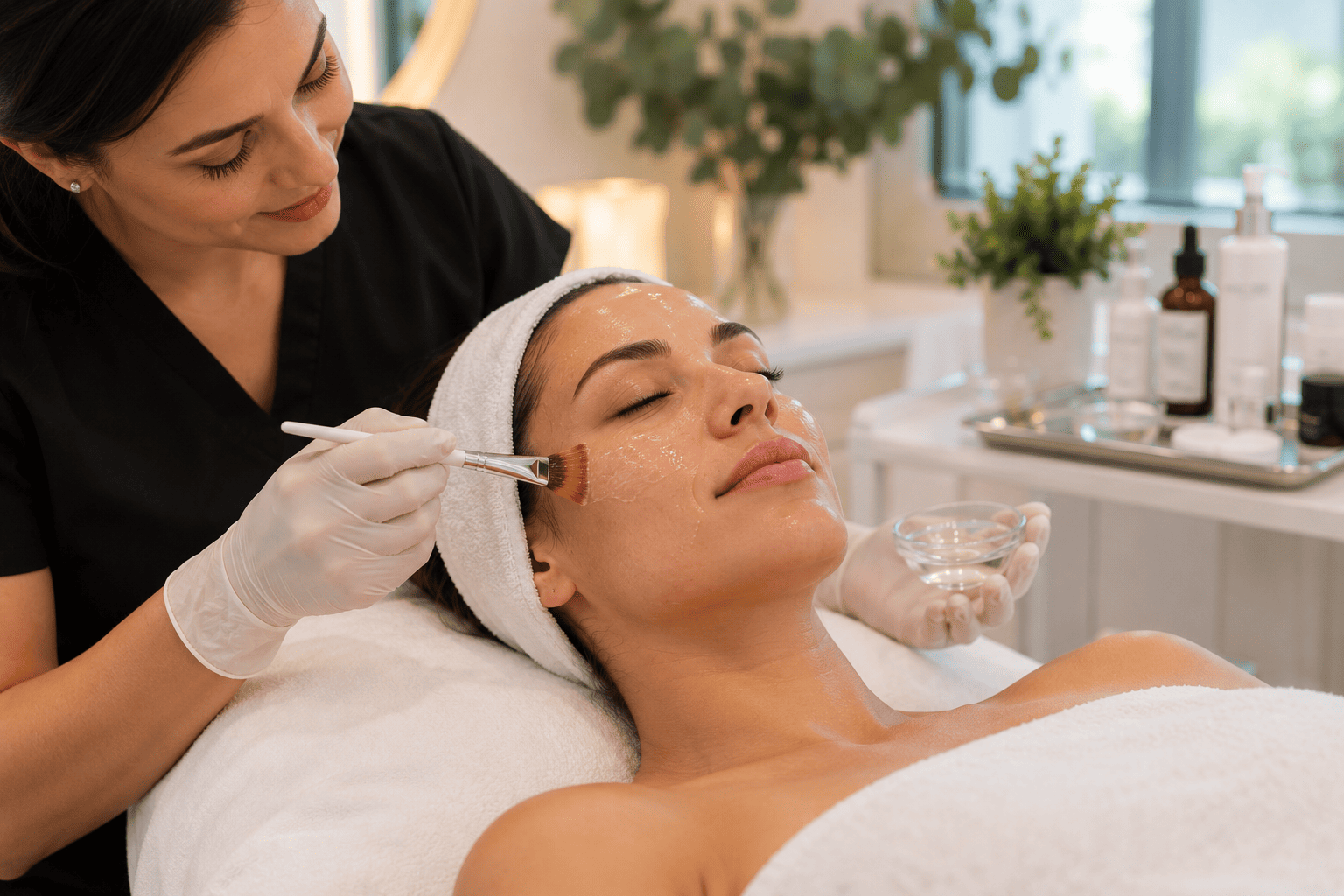
A chemical peel works by applying a carefully formulated solution to the skin that encourages the outermost, damaged layers to shed. As those old cells lift away, fresher, more evenly toned skin is revealed underneath. Depending on the strength and ingredients used, a peel can target everything from mild dullness to more stubborn pigmentation and texture issues. The process also stimulates the skin's natural renewal cycle, which is why results tend to continue improving in the days and weeks following treatment.
What Makes the VI Peel Different?
At Urbane Med Spa, we offer the VI Peel because it strikes a strong balance between effectiveness and comfort. Unlike some older generation peels that require significant downtime, the VI Peel is designed to treat sun damage, uneven tone, acne scarring, and fine lines while keeping recovery manageable. It uses a blend of ingredients that work together to exfoliate, brighten, and support collagen production, which makes it a versatile option whether your main concern is pigmentation, texture, or overall dullness.
Many of our Richardson clients appreciate that the VI Peel can be customized to their specific skin concerns and tolerance, which is part of why it has become one of our most requested resurfacing treatments.
How Does a Chemical Peel Compare to Other Skin Treatments We Offer?
It is a fair question, especially since we offer more than one option for improving skin quality.
How Is a Chemical Peel Different from Texture and Tone Treatments?
Our Texture & Tone treatments are designed with similar goals in mind, refining texture, improving tone, and addressing surface irregularities. While a chemical peel like the VI Peel relies on a topical solution to exfoliate and renew the skin, other texture and tone options in that category may use different mechanisms to reach comparable results. We often help clients figure out which approach, or combination of approaches, fits their skin type and goals best during a consultation.
How Does a Chemical Peel Compare to Lumecca Photofacials?
Lumecca is a photofacial treatment that uses intense pulsed light to target pigmentation and redness at a deeper level, which makes it especially effective for stubborn sun damage and vascular concerns. A chemical peel, on the other hand, works from the surface down, focusing on exfoliation and renewal. Some clients find that alternating between the two, or using one after the other, gives them the most complete improvement in tone and clarity. This is something our team can map out based on what your skin actually needs.
What Should I Expect During Recovery?
One of the reasons the VI Peel is so popular is that recovery is straightforward. Most people notice some tightness or mild flaking within the first few days as the skin begins to shed. This is a normal part of the renewal process and typically resolves within about a week. During this time, we recommend gentle cleansing, plenty of hydration, and diligent sunscreen use, especially given how strong the Texas sun can be. Keeping your skin barrier supported with the right at home products can also help you get the most out of your results, and our skin shop has options that pair well with peel aftercare.
Who Is a Good Candidate for a Chemical Peel?
Chemical peels tend to work well for people dealing with sun damage, uneven tone, mild acne scarring, rough texture, or early fine lines. They are a great option if you want visible improvement without significant downtime. That said, the right depth and formulation depends on your skin type, sensitivity, and goals, which is why a proper consultation matters. If you have very reactive skin, active breakouts, or certain medical conditions, our team will walk you through whether a peel is the best fit or whether another option makes more sense for you.
Frequently Asked Questions
Is a chemical peel painful? Most people describe the VI Peel as a warming or slight tingling sensation rather than pain. It is generally well tolerated, even for those trying a chemical peel for the first time.
How many chemical peel sessions will I need? This depends on your specific concerns, but many clients see noticeable improvement after just one VI Peel, with a series of treatments recommended for more significant sun damage or scarring.
What is a medspa, and is that different from a dermatologist's office? A medspa is a wellness focused practice that combines cosmetic and skin health treatments, like chemical peels, injectables, and photofacials, in a relaxed, spa like setting, typically performed under medical oversight. It offers many of the same effective treatments you would find at a dermatology office, with a more personalized, comfort focused experience.
Can a chemical peel help with acne scars specifically? Yes, the VI Peel is often used to soften the appearance of acne scarring by encouraging skin renewal and improving overall texture, though results vary depending on the depth and type of scarring.
How soon will I see results after a chemical peel? Many clients notice brighter, smoother skin within a week as peeling completes, with continued improvement in tone and texture over the following weeks as collagen production ramps up.
Ready to Give Your Skin a Fresh Start?
Dull, uneven, sun worn skin does not have to be your new normal, and you do not have to guess your way through a skincare aisle to fix it. Whether your biggest concern is Texas sun damage, lingering acne marks, or skin that just needs a refresh, our team at Urbane Med Spa is here to help you figure out the right path forward. Reach out to us today to schedule a consultation and find out if the VI Peel is the reset your skin has been waiting for.