



Is an IPL Photofacial Better Than a Regular Facial for Redness and Sun Spots in Richardson, Texas?
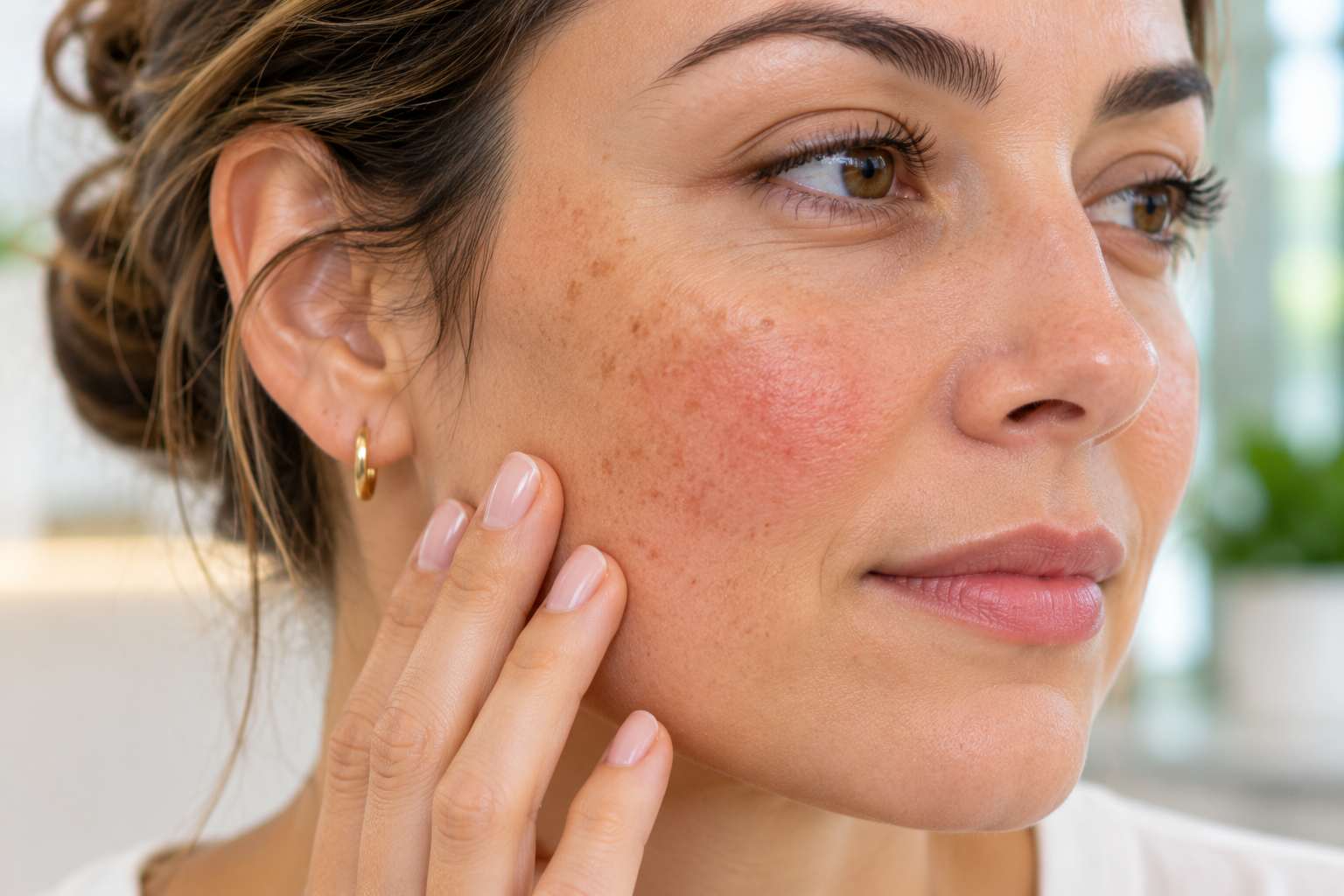
If your main concerns are persistent redness, visible broken capillaries, or brown spots from the sun, an IPL photofacial is usually the better fit, because its light energy targets pigment and blood vessels below the surface. A traditional facial is designed to cleanse, exfoliate, and hydrate, which can leave skin looking fresh but does not treat the source of most redness or sun damage. The two serve different purposes, and many people find value in both.
Here is how to tell which one your skin needs and what to expect from each.
What Does a Traditional Facial Actually Do?
A classic facial is surface-level skin care. Depending on the type, it may include cleansing, gentle exfoliation, extractions, a mask, and hydration. Facials can be relaxing and can help skin look brighter and feel smoother for a short time, which is why people often book them before an event or as part of a self-care routine.
What a facial typically cannot do is reach the pigment deposits behind sun spots or the dilated vessels that create lasting redness. If you have been getting facials regularly but still see the same flushed cheeks and brown spots, that is usually a sign the concern sits deeper than a facial can address.
What Is an IPL Photofacial?
IPL stands for intense pulsed light. Unlike a laser, which uses a single wavelength, IPL delivers broad-spectrum light in short pulses. The light is absorbed by pigment and by the blood in small vessels, which helps break up discoloration and reduce visible redness. Because it is often used on the face, IPL treatment is commonly called a photofacial, and DermNet refers to the broader process as photorejuvenation.
At Urbane, IPL is offered through Lumecca, which is designed to improve the appearance of pigmented and vascular skin concerns. Urbane lists brown spots and sun-related pigmentation, redness and rosacea, facial spider veins, broken capillaries, freckles, and uneven skin tone among the concerns Lumecca can address.
Which Concerns Point Toward an IPL Photofacial?
You may be a better match for IPL than a facial if you notice:
- Flushing or redness across the cheeks and nose that does not fade
- Small visible blood vessels around the nose or cheeks
- Brown spots, freckles, or sun damage from years of Texas sun
- Uneven tone that makeup and skincare have not improved
Can IPL Help Rosacea Redness?
Light-based treatment can help some rosacea symptoms, especially visible blood vessels. Looking at laser and light treatments in general, the American Academy of Dermatology reports that these treatments can reduce visible blood vessels by about 50% to 75% after one to three treatments for many patients. The AAD notes that improvement in overall background redness tends to be more modest. Rosacea is a chronic condition, so IPL is best thought of as one part of a broader management plan, not a cure.
What Should You Expect From a Lumecca Treatment?
Urbane typically recommends a series of three Lumecca treatments along with consistent use of professionally recommended skincare. Many people see improvement after the first session, while DermNet notes that some people need a longer course. Your plan depends on your skin type and how much pigment or redness you have.
After treatment, mild redness and warmth are normal and usually fade within a few hours. Here is what happens next:
- Pigmented spots often look darker for 24 to 48 hours before gradually flaking off over several days
- Visible vessels may improve within about two weeks
- Sun protection becomes especially important while skin heals
That temporary darkening surprises some first-timers. It is a normal part of the process as treated pigment works its way to the surface, and most people see clearer skin within one to two weeks.
How Should You Prepare for IPL and Care for Your Skin Afterward?
Preparation starts a few weeks out. Urbane's guidance includes staying out of the sun and tanning beds for at least two weeks beforehand, pausing retinoids and exfoliants for a week, and avoiding other cosmetic treatments like peels on the area during that week. Let your provider know about medical conditions and medications, including blood thinners such as aspirin or ibuprofen. Shaving the treatment area the day before also helps, since hair can reduce effectiveness, which is a useful tip for men treating the cheeks or jawline.
Aftercare is simple but important:
- Do not pick, scrub, or scrape darkened spots as they flake
- Apply SPF 30 or higher every day, even when it is cloudy
- Skip exfoliants, acids, retinoids, and scrubs for at least seven days
- Avoid hot showers, saunas, steam rooms, and hot tubs for 24 hours
- Use cool compresses and a gentle moisturizer if skin feels warm
During treatment, many people describe each pulse as a brief snap, similar to a light elastic band. Contact your provider promptly if you notice blistering, severe swelling, or worsening redness or pain.
Who Should Think Twice Before Booking IPL?
IPL is not ideal for everyone. Recent sun exposure and tanning can raise the risk of side effects, and DermNet advises avoiding sun in the days and weeks before and after treatment. Possible side effects include a mild sunburn-like sensation for a few days, and less commonly blistering or changes in pigment.
People with deeper skin tones should be especially thoughtful. Because IPL targets pigment, a provider needs to evaluate your skin carefully to decide whether light-based treatment is appropriate or whether another option would be safer. If IPL is not the right match, Urbane's texture and tone treatments include alternatives like the VI Peel and microneedling.
How Do Different People Use IPL Photofacials?
Is IPL a Good Fit If You Rely on Makeup to Cover Redness?
People who deal with lingering redness or flushing often find that makeup only covers so much, and layering more coverage can feel heavy in the Texas heat. IPL offers a way to reduce visible vessels and blotchiness so less coverage is needed day to day.
Should Men Consider IPL Too?
Yes. Men develop sun spots, redness, and broken capillaries just like women do, especially after years of outdoor time without consistent sunscreen. IPL can be a low-fuss way to even out skin tone without a long skin care routine.
How Far Ahead Should You Book IPL Before a Big Event?
If you are planning for a gala, wedding, or photo shoot, schedule IPL well ahead. Because pigmented spots darken and then flake over several days, booking just before an event is not ideal. Giving yourself a few weeks, and ideally completing a series in advance, lets you show up with clearer, more even skin.
Frequently Asked Questions
Can I get an IPL photofacial if I have a tan?
It is best to avoid sun exposure and tanning before and after IPL. Tanned skin has more pigment for the light to target, which can raise the risk of side effects. Your provider may recommend waiting until your tan fades.
Will my sun spots look worse before they look better?
Often, yes. Pigmented spots commonly darken for 24 to 48 hours after treatment, then gradually flake away over several days. This is a normal part of the healing process.
How long do IPL results last?
Treated spots and vessels can stay improved for a long time, but new sun damage and new vessels can develop. For laser and light treatments in general, the AAD notes that results for visible blood vessels tend to last three to five years. Daily sunscreen helps protect your results.
Can I still get facials if I have IPL?
If you get facials, tell your provider so treatments can be spaced safely. Urbane's guidance asks patients to avoid other cosmetic treatments on the area for a week before IPL and to skip exfoliants, acids, and scrubs for at least seven days afterward.
How many IPL sessions will I need?
Urbane typically recommends a series of three, though many people see improvement after the first treatment and some need more. Your provider will customize the plan based on your skin type and the amount of pigment or redness being treated.
Let the Light Do the Heavy Lifting
Facials have their place, but when redness and sun spots keep coming back, it may be time for a treatment that goes deeper. An IPL photofacial targets the pigment and vessels behind those concerns, helping skin look clearer and more even over time.
If you are ready to find out whether Lumecca suits your skin, book a consultation with Urbane in Richardson, Texas. Curious what else we treat? The Urbane Aesthetics & Wellness homepage is a good place to start.