


Is Preventative Botox Worth It in Your 20s in Richardson, Texas?
Updated September 2026
Scroll through social media for more than a few minutes and you will likely see another twenty something talking about their preventative Botox appointment. What used to be a treatment associated with deep, established wrinkles has become something a much younger crowd is considering before lines ever fully form. If you are in your twenties or early thirties and wondering whether starting early actually makes sense, you are not alone, and you deserve a straight answer rather than a trend driven one.
This article breaks down what Botox actually does, why younger adults are starting sooner, and what a realistic, honest approach to preventative treatment looks like at Urbane Med Spa in Richardson.
What Is Preventative Botox and How Is It Different From Regular Botox?
Preventative Botox refers to using neuromodulator treatment before deep, static wrinkles have formed, with the goal of slowing their development rather than correcting lines that are already set. The product itself is the same as what is used for more advanced wrinkles, but the timing and dosing strategy are different, typically lighter and more targeted toward specific expression lines like the forehead or the area between the brows.
Traditional Botox is usually introduced once lines are visible even at rest, while preventative Botox is meant to catch repetitive muscle movement earlier, before it leaves a permanent mark on the skin.
At What Age Should Someone Start Considering Botox?
There is no single correct age, but most providers see the best candidates for preventative treatment in their mid twenties to early thirties, particularly if they notice lines forming when they make certain expressions but not when their face is relaxed. This is sometimes called dynamic wrinkling, and it tends to respond very well to early, conservative treatment.
Why Are Younger Adults Starting Botox Earlier Than Previous Generations?
Younger adults are starting earlier largely because of increased exposure to high definition cameras, video calls, and social media, all of which put facial expressions under a level of scrutiny that previous generations did not experience. Constant screen time also means more squinting and repetitive expressions throughout the day, which can accelerate the formation of lines around the eyes and forehead.
There is also a cultural shift toward viewing preventative skin care as maintenance rather than correction, similar to how younger generations have embraced sunscreen and retinoids earlier than their parents did.
Is It Actually More Effective to Start Botox Younger?
Starting Botox before deep lines fully set can help slow the progression of those lines, since less repetitive muscle movement over time generally means less permanent creasing. That said, effectiveness depends heavily on genetics, skin type, and lifestyle factors like sun exposure, so preventative treatment is not a guarantee against future wrinkles, it is one part of a broader strategy.
What Areas Do Younger Clients Typically Treat First?
Younger clients most often start with the area between the eyebrows and the forehead, since these are the spots where expression lines tend to show up first from squinting, frowning, and raised eyebrows. Some also begin treating crow's feet if they notice lines forming at the outer corners of their eyes, especially if they smile often or spend a lot of time outdoors.
Our neurotoxin treatments are tailored specifically to these early intervention goals, using conservative dosing designed to soften movement without freezing natural expression. You can also review general information on our anti-wrinkle page to understand how these treatments fit into a broader skin care plan.
Will Botox Make My Face Look Frozen or Unnatural?
When dosed appropriately, especially at the lighter levels typically used for preventative treatment, Botox should soften movement without eliminating expression entirely. The frozen look often associated with Botox usually comes from overdosing or a provider who is not experienced in working with younger, naturally more mobile faces. This is exactly why choosing an experienced injector matters more than chasing the lowest price.
Is Botox Safe for People in Their Twenties?
Botox has a long safety record and is approved for cosmetic use in adults, with the same safety profile applying regardless of the patient's age, as long as it is administered by a qualified provider. The more important consideration for younger patients is not safety but necessity and dosing, since a twenty five year old's face requires a very different approach than someone in their fifties.
What Should a First Time Botox Appointment Look Like?
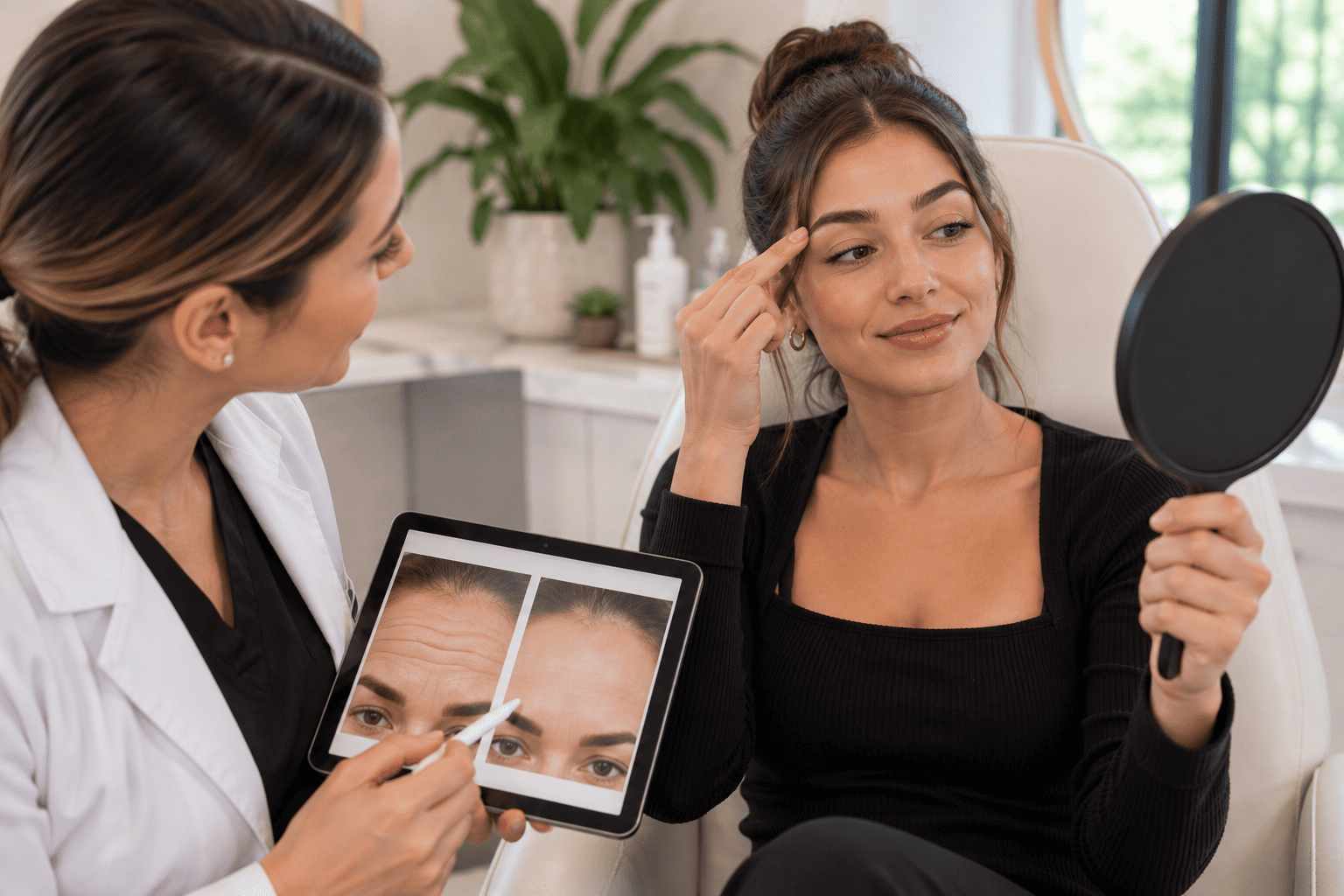
A first appointment should start with a thorough consultation where your provider assesses your specific expression patterns, discusses realistic goals, and explains exactly where product will be placed and why. If you want a closer look at what to expect, our post on your first injectable appointment walks through the process in detail. Anyone considering treatment while pregnant or trying to conceive should also review our guide on Botox and pregnancy before booking.
How Long Do Results Last for Younger Patients?
Results typically last three to four months, though some younger patients notice results lasting slightly longer since their muscles may be less overactive compared to patients who started treatment later after years of unaddressed movement. Consistency matters more than intensity here, staying on a regular schedule tends to produce better long term results than sporadic, heavier treatments.
Are There Downsides to Starting Botox Too Early?
The main downside is cost over time, since starting in your twenties means potentially decades of maintenance treatments, and there is no strong evidence that starting extremely early provides dramatically better long term results than starting in your late twenties or early thirties once dynamic lines actually appear. A good provider will not push treatment on someone who does not need it yet and will instead recommend a personalized timeline based on your actual skin.
What Else Should Younger Clients Be Doing Alongside Botox?
Sun protection, a consistent skincare routine, and hydration all play a major role in how skin ages, and Botox works best as one part of a broader plan rather than a standalone fix. Many younger clients pair their neurotoxin treatments with facial services or texture and tone treatments to address the skin's surface quality alongside muscle movement.
Why Choose Urbane Med Spa for Preventative Botox in Richardson
Our team takes a conservative, honest approach with younger clients, focusing on what your skin actually needs rather than upselling unnecessary treatment. You can explore our full range of services on the services page or learn more about our approach on the our facility page before booking a consultation.
Wrinkles Later, Not Regrets Now
Deciding whether to start Botox in your twenties is a personal choice, not a trend to follow blindly. What matters most is working with a provider who will give you an honest assessment rather than a sales pitch, so whatever you decide is actually right for your face and your goals.
If you are curious whether preventative treatment makes sense for you, our team at Urbane Med Spa can walk you through a no pressure consultation. Visit our contact page or explore urbanemedspa.com to get started.
Frequently Asked Questions
Can you get Botox in your early twenties? Yes, there is no minimum age restriction beyond being a legal adult, though a provider should evaluate whether preventative treatment is actually appropriate for your specific skin and expression patterns before proceeding.
How much Botox does a younger patient typically need? Younger patients generally need less product than older patients since the goal is softening early movement rather than correcting deep set lines, which also tends to make preventative treatment more affordable per session.
Does preventative Botox actually prevent wrinkles permanently? It can slow the formation of lines caused by repetitive muscle movement, but it does not prevent all signs of aging, since factors like sun exposure, genetics, and collagen loss also play a role.
Is Botox reversible if I do not like the results? Botox is temporary and gradually wears off over three to four months, so there is no permanent change if you decide the treatment is not for you.
What is the difference between Botox and Dysport? Both are neuromodulators that work in a similar way, though they differ slightly in formulation and onset time, and your provider can help determine which option fits your goals best during your consultation.