


Chemical Peels in Richardson, TX: Choosing the Right Depth for Your Skin Goals
Updated August 2026
A chemical peel sounds simple in theory. Apply a solution, let it exfoliate the skin, reveal a fresher layer underneath. But once you start researching, it becomes clear there is no single version of this treatment. Peels vary widely in strength, ingredients, and downtime, and picking the wrong one for your skin can mean either underwhelming results or more irritation than you bargained for.
This is one of the more common points of confusion for patients in Richardson considering their first peel. The good news is that once you understand what different peel depths actually do, the decision becomes a lot more straightforward.
At Urbane Med Spa, the vi-peel is one of the primary peel options offered, known for addressing a wide range of concerns from tone to texture without the extended downtime associated with more aggressive peels. Here is what to know before booking one.
What Does a Chemical Peel Actually Remove From the Skin?
At its core, a chemical peel uses an acid based solution to remove the outermost layers of damaged or dull skin. As those layers shed, they reveal fresher skin underneath and stimulate the body's natural renewal process.
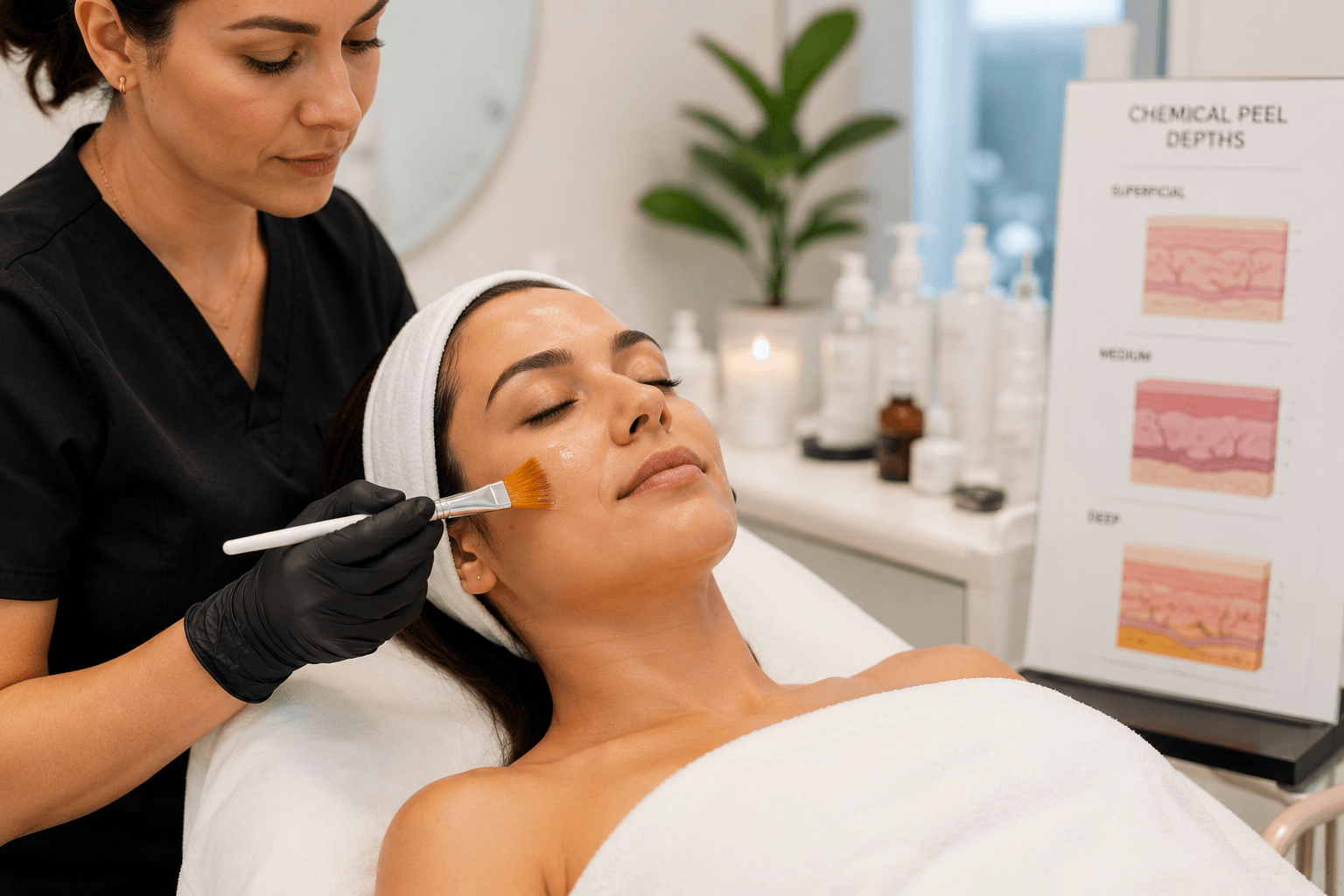
Depending on the strength of the peel, this can happen at different depths. Lighter peels work only on the very outer layer, offering a gentle refresh with minimal downtime. Deeper peels penetrate further, addressing more stubborn concerns like pigmentation or textured scarring, but they also come with more noticeable peeling and recovery time.
The VI Peel in particular is formulated to work at a level that targets tone, texture, and early signs of aging while still being manageable for most skin types, which is part of why it has become such a popular option.
How Do You Know Which Peel Strength Is Right for You?
This really comes down to two things: your specific skin concern and how much downtime you are willing to tolerate.
If your main goal is a general refresh, brighter skin, or maintenance between more intensive treatments, a lighter option is usually enough. If you are dealing with more visible sun damage, melasma, or acne scarring, a slightly deeper peel like the VI Peel tends to deliver more noticeable change.
It also matters what else is going on with your skin. Certain medications, active breakouts, or recent sun exposure can all affect which peel is appropriate at a given time. This is exactly the kind of detail that gets sorted out during a consultation rather than guessed at online.
What Can You Expect During Peel Recovery?
Recovery timelines vary depending on peel depth, but with a treatment like the VI Peel, most patients experience visible peeling for around three to seven days. During this window, skin may look flaky or slightly red, similar to peeling after a sunburn, before revealing smoother, more even toned skin underneath.
During recovery, it is important to avoid picking at peeling skin, since this can lead to irritation or uneven results. Gentle cleansing, fragrance free moisturizer, and diligent sun protection are typically recommended throughout the healing process.
Richardson's sunny climate makes this last point especially important. Freshly peeled skin is more vulnerable to UV damage, so daily sunscreen is non negotiable during and after your recovery window, not just on peel days.
Can a Chemical Peel Help With Acne Scarring or Melasma?
Both are common reasons patients seek out peels, and the answer depends on the type and depth of the concern.
For shallow acne scarring and general texture irregularities, a peel like the VI Peel can meaningfully improve the appearance of the skin over a series of treatments. For deeper, pitted scarring, a peel alone may only offer partial improvement, and combining it with a treatment like microneedling often produces better results.
Melasma, which shows up as patches of darker pigmentation often triggered by sun exposure or hormonal changes, can also respond well to peels, though it typically requires a consistent, ongoing approach rather than a single session. Sun protection plays a critical role here as well, since UV exposure can trigger melasma to return even after successful treatment.
How Often Should You Get a Chemical Peel?
This depends on your goals. For general skin maintenance and a refreshed appearance, many patients schedule a peel every four to six weeks. For more targeted concerns like acne scarring or pigmentation, a series of treatments spaced a few weeks apart tends to produce more noticeable, lasting change.
It is also common for patients to use peels seasonally, such as scheduling a peel before a big event or transitioning into a new season, since the immediate brightening effect makes skin look noticeably fresher.
Building a Peel Into a Bigger Skin Plan
A chemical peel does not have to stand alone. Many Richardson patients pair peels with other texture-tone focused treatments, such as microneedling, to address both surface exfoliation and deeper collagen stimulation. Others use peels as a lighter touch maintenance option between more intensive procedures like Morpheus8.
The right combination really depends on your skin's specific needs, which is why a consultation at Urbane Med Spa typically starts with an assessment of your goals before recommending a single treatment or a combined approach.
Frequently Asked Questions
Is a chemical peel painful? Most patients describe a mild tingling or warming sensation during application rather than significant pain. Any discomfort is usually brief and manageable.
Can I wear makeup after a chemical peel? It is generally best to avoid makeup for at least the first day or two while skin is actively peeling, since covering peeling skin can trap irritation underneath.
What is the difference between a peel and microneedling for texture? A peel exfoliates the surface layer chemically, while microneedling stimulates deeper collagen production through controlled micro injuries. Many patients benefit from combining both over time.
How long until I see results from a chemical peel? Some brightening is visible almost immediately after peeling completes, but full results, especially for tone and texture, typically develop over several weeks as new skin cells surface.
Can I get a chemical peel if I have sensitive skin? Yes, but the strength and type of peel should be selected carefully based on your skin's sensitivity. This is best determined during a consultation rather than choosing a peel without professional guidance.
Peeling Back the Confusion
Choosing the right chemical peel does not have to feel like guesswork. Once you understand the difference between peel depths and what each one is actually designed to address, the decision becomes a lot clearer. If you are in Richardson and ready to talk through which option fits your skin, the team at Urbane Med Spa can help you choose between the VI Peel and other texture-tone treatments based on your goals. Learn more on the VI Peel page or reach out through the contact page to schedule a visit.